Zara Butler · 7 September 2026
Navigating Event-Driven Triggers to Refine Prospect Nurturing Sequences Across Integrated Marketing Platforms
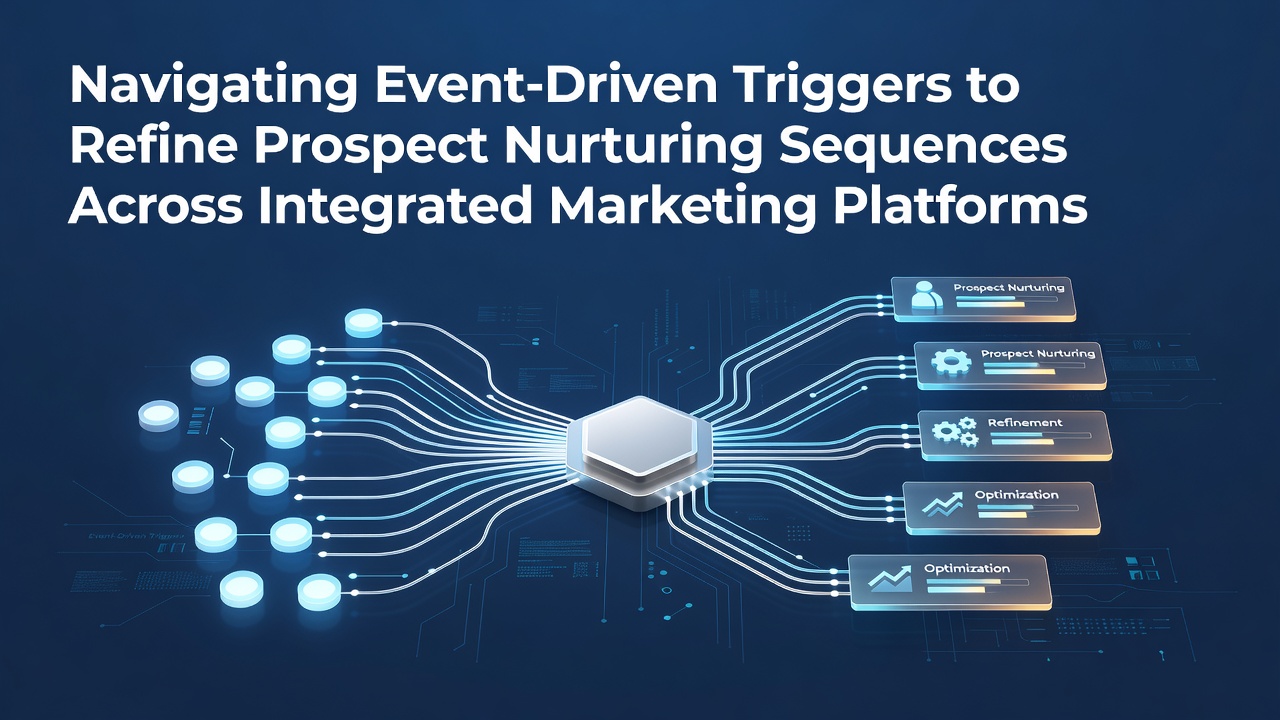
Event-driven triggers operate as automated signals that activate based on specific user behaviors across digital channels, and marketing teams connect these signals to nurture sequences in platforms such as customer relationship management systems, email automation tools, and social advertising networks. Data from integrated setups shows that triggers like abandoned cart events, webinar registrations, or content downloads initiate follow-up actions without manual intervention, while platform connectors synchronize information in real time to maintain consistent messaging. Researchers at various institutions note that this approach reduces response delays from hours to seconds in many documented cases.
Core Components of Event-Driven Systems
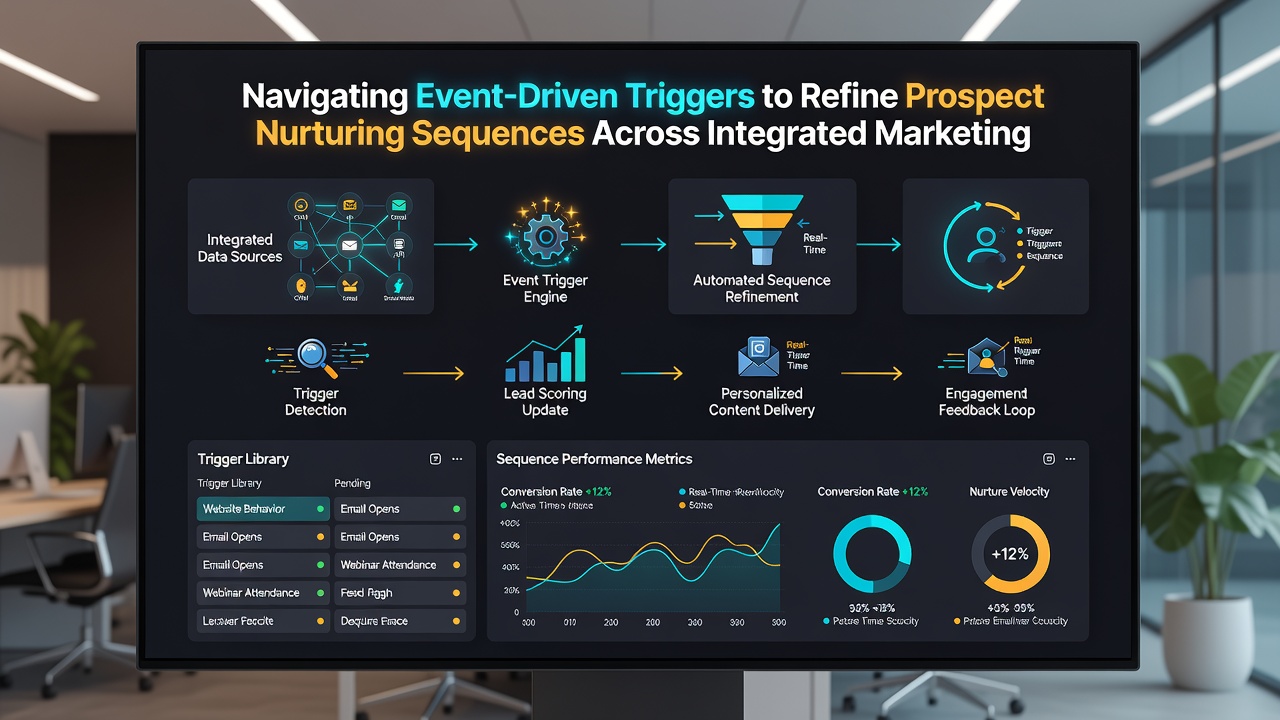
Event-driven architecture relies on listeners that monitor actions such as page views, form submissions, and purchase completions, then route those actions to downstream workflows. Observers note that platforms like Salesforce Marketing Cloud and Adobe Experience Platform use APIs to share these events across tools, which allows one trigger from a website visit to update lead scores in a CRM and simultaneously launch an email sequence. Studies indicate that companies implementing these listeners achieve higher synchronization rates when they standardize event taxonomies beforehand.
Integration layers handle data mapping so that an event captured in one system translates accurately into another; for instance, a social media engagement tracked in a listening tool feeds into a nurture path that references prior interactions. Those who have examined platform logs find that mismatched data fields often cause sequence interruptions, prompting teams to run validation tests during setup phases.
Building and Refining Nurture Sequences
Nurture sequences consist of timed communications that adapt based on additional triggers received after the initial activation. Experts observe that sequences progress from educational content to product-focused offers when prospects interact with early messages, and platform rules adjust timing according to engagement metrics. In September 2026, industry reports highlighted expanded support for multi-touch attribution within these sequences, enabling more precise credit assignment across channels.
Refinement occurs through iterative analysis of trigger performance data, where teams examine open rates, click patterns, and conversion outcomes to modify sequence branches. One study revealed that sequences incorporating conditional branches triggered by negative events, such as unsubscribes or low engagement, maintain higher overall deliverability compared with linear versions. People managing these systems often discover that adding suppression rules prevents over-communication while preserving sequence continuity for active prospects.
Platform Integration Practices
Successful integration starts with mapping business events to technical endpoints across chosen platforms, and connectors from providers such as Zapier or native APIs facilitate this mapping. According to documentation from the American Marketing Association, organizations that audit their event schemas quarterly report fewer synchronization failures during peak campaign periods. Data shows that real-time webhooks outperform batch transfers for time-sensitive triggers like live chat initiations.
Security protocols require encryption of event payloads and role-based access controls to limit which teams can modify trigger rules. Those who've studied cross-platform setups note that compliance with data residency requirements, particularly under frameworks outlined by the European Commission, influences how event data routes through regional servers before reaching nurture engines.
Measurement and Optimization Approaches
Key performance indicators for these systems include trigger-to-conversion latency, sequence completion rates, and revenue attributed through multi-touch models. Research indicates that teams reviewing these metrics weekly identify underperforming branches faster than monthly reviews allow. A report from Statistics Canada on digital marketing practices found that firms using automated dashboards tied to event streams achieved more consistent optimization cycles.
Testing frameworks compare variations of trigger conditions and sequence content through controlled rollouts, while statistical analysis determines whether changes produce measurable lifts. Observers note that A/B tests on trigger thresholds, such as time-on-site duration before activation, frequently surface opportunities to tighten or loosen entry criteria for better prospect fit.
Conclusion
Event-driven triggers combined with integrated platforms enable dynamic prospect nurturing that responds directly to observed behaviors. Organizations that maintain clear event definitions, perform regular integration audits, and apply data-driven refinements to their sequences sustain more responsive marketing operations over time. Continued platform updates, including those noted around September 2026, continue to expand the technical options available for these workflows.